Introduction
In the realm of healthcare, particularly in long-term treatment centers, the importance of specialized training can not be overemphasized. One such critical location is dysphagia management. Dysphagia, or problem swallowing, is a common problem that can considerably impact an individual's quality of life. For care team, understanding and managing this condition are important skills that can result in far better individual outcomes and boosted security.
This short article digs deep right into the necessary skills for care team pertaining to dysphagia training methods. It includes different elements of dysphagia training for carers, supplying insights right into methods, courses, and ideal techniques that encourage medical care experts to offer phenomenal like clients experiencing swallowing difficulties.
Essential Abilities for Care Team: Top Dysphagia Training Techniques
To successfully manage dysphagia in individuals, treatment team should be furnished with a wide range of abilities and expertise. This area highlights the key dysphagia training strategies vital for any kind of care professional.
Understanding Dysphagia: What Care Team Required to Know
Dysphagia isn't simply a technical term; it stands for a considerable obstacle dealt with by lots of individuals throughout different age. Treatment team need to have a strong understanding of what causes dysphagia and its implications on health.

- Definition: Dysphagia describes trouble ingesting because of numerous reasons such as neurological problems, structural irregularities, or muscular tissue weakness. Causes: Understanding underlying health conditions that add to dysphagia is important. These can consist of stroke, mental deterioration, Parkinson's disease, and head or neck cancers. Symptoms: Usual signs involve coughing when eating or consuming alcohol, feeling like food is stuck in the throat or chest, and constant heartburn.
The Relevance of Specialized Dysphagia Training for Carers
Training particularly focused on dysphagia equips carers with needed abilities tailored to meet the one-of-a-kind requirements of individuals struggling with ingesting difficulties.
- Enhanced Patient Safety: Proper training decreases dangers such as desire pneumonia-- one of the extreme problems developing from inappropriate swallowing. Improved Lifestyle: Staff trained in dysphagia support can assist people keep their freedom and enjoy dishes safely. Building Relationships: Experienced carers can foster trust and rapport with clients by demonstrating skills in managing their details challenges.
Components of Efficient Dysphagia Training Courses
Dysphagia training programs vary extensively in content and delivery methods. Right here are some necessary parts that reliable courses must consist of:
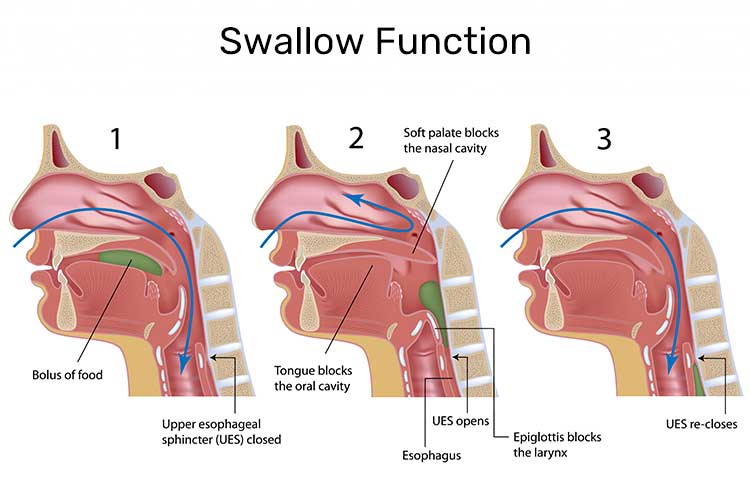
Anatomy and Physiology: Understanding the technicians of swallowing assists staff recognize problems accurately. Assessment Techniques: Knowing just how to examine a person's ingesting ability with clinical evaluations aids tailor interventions. Dietary Modifications: Understanding concerning appearance modification (e.g., pureed diet plans) is important for secure feeding practices. Therapeutic Interventions: Familiarity with exercises designed to enhance swallow muscles can be beneficial. Emergency Protocols: Training ought to cover what steps to take during choking events or various other emergency situations connected to ingesting difficulties.Training Methods: Exactly how Can Treatment Team Learn?
There are different methods where treatment personnel can receive their dysphagia training:
- Workshops & Seminars: These are typically interactive sessions where participants engage in hands-on learning. Online Courses: Flexible choices enable staff to learn at their very own rate; these might include video clip demonstrations and quizzes. On-the-job Training: Practical experience under guidance strengthens theoretical expertise obtained from official courses.
Key Techniques in Dysphagia Monitoring for Care Staff
Having undergone appropriate training is only half the battle; applying effective techniques makes all the difference.
1. Utilizing Appropriate Feeding Strategies
Care staff must embrace different feeding methods based upon specific patient analyses:
- Postural Adjustments: Positioning individuals upright during meals can facilitate much safer swallowing. Pacing Techniques: Motivating slow eating habits helps reduce the risk of choking.
2. Monitoring Swallowing Patterns
It's necessary for carers to observe and document people' eating habits:
- Note any signs of distress while eating Keep track of food choices together with texture modifications
3. Creating a Safe Dining Environment
A conducive atmosphere contributes in boosting dish experiences:
- Minimizing distractions Ensuring ample lighting
Dysphagia Support Resources Available for Care Staff
In addition to formal training courses, there are countless sources available that give continuous support:
Professional Organizations: Groups focused on speech-language pathology frequently give guidelines on best practices. Peer Assistance Networks: Involving with fellow carers can produce practical insights from shared experiences. Research Publications: Staying notified about emerging researches will maintain caregivers current on innovative approaches.FAQ Section
1. What is dysphagia?
Dysphagia refers to problem in swallowing caused by numerous clinical conditions impacting the muscle mass associated with swallowing.
2. Why specifies dysphagia training essential for care staff?
Specific training makes certain that carers recognize how to securely aid individuals experiencing problem ingesting while decreasing dangers associated with ambition and choking.

3. What topics are covered in a common dysphagia training course?
Courses typically cover composition and physiology related to swallowing, assessment techniques, dietary alterations, healing interventions, and emergency situation protocols.
4. How do I locate great dysphagia training courses near me?
You can browse online for certified institutions supplying specialized courses or inspect neighborhood health care companies for workshops on dysphagia management.
5. Can caregivers implement dietary alterations without specialist guidance?
While caretakers can recommend nutritional modifications based upon their training, it's critical they seek advice from dietitians or speech therapists prior to making considerable alterations to an individual's diet.
6. What should I do if I believe a person has actually dysphagia?
If you think someone has difficulties with swallowing, encourage them to look for assessment from medical care professionals that specialize in this area promptly.
Conclusion
In verdict, equipping treatment staff with necessary abilities via detailed dysphagia training strategies not only boosts patient security but also facilitates enhanced end results within long-lasting care setups. The breadth of knowledge acquired from properly designed programs encourages caretakers to take care of complicated situations efficiently while fostering significant interactions with those they serve.
By welcoming continual knowing and using readily available sources such as workshops and online systems focused on dysphagia support-- treatment staff will certainly ensure they remain experienced practitioners all set to face challenging situations head-on.
Ultimately, spending time right into comprehending these techniques returns advantages much past compliance; it improves lives-- both those getting treatment and those giving it-- creating an environment rooted in regard, dignity, and compassion!